
Custom Web Application Development Services
Whether you need a SaaS platform, an e-commerce store, a client portal, or an AI-powered application — we build full-stack web apps with Next.js, React, and Prisma that are production-ready, SEO-optimized, and designed to scale with your business.
Custom web application development is the engine that transforms digital marketing strategies into measurable, owned assets generating long-term ROI. Your website is not just a digital brochure — it is your most powerful sales tool, your primary conversion engine, and the central hub connecting every marketing channel. In 2026, where AI-driven search engines reward exceptional web experiences and users expect instant, app-like interfaces, a professionally engineered web application is the difference between growth and stagnation.
At Digital Marketing Co., we build production-ready, full-stack web applications using the most advanced tools in modern development. Our solutions directly amplify our clients' SEO, PPC, content marketing, and link building strategies — every application we deliver is engineered for speed, search visibility, conversion, and scale.
Whether you need a high-converting landing page, a full SaaS platform, or a real-time analytics dashboard, this page details every type of digital asset and application we build.
Why Custom Web Application Development Matters in 2026
The gap between template-based websites and custom-engineered web applications has never been wider. Template sites built on WordPress themes or drag-and-drop builders struggle with performance, security vulnerabilities, and SEO limitations that worsen with every Google algorithm update. Meanwhile, custom Next.js applications deliver:
- Lightning-fast performance: Server-side rendering (SSR), static generation (SSG), and Incremental Static Regeneration (ISR) ensure every page loads in under one second, crushing Core Web Vitals thresholds
- Built-in SEO dominance: Next.js's metadata API, automatic sitemaps, Open Graph image generation, and server-rendered HTML mean search engines index your content instantly
- AI search readiness: Structured data and schema markup engineered for visibility in Google AI Overviews, ChatGPT, Perplexity, and Gemini
- Enterprise security: Type-safe code with TypeScript, authentication frameworks, input sanitization, rate limiting, and CSRF protection
- Infinite scalability: From 100 visitors a month to millions — the architecture handles growth without re-platforming
Our clients' websites consistently outperform competitors on Core Web Vitals, load speed, and search rankings because we engineer these advantages from the first line of code.
Our Technology Stack: Next.js, React & Prisma
We build exclusively with a modern, battle-tested stack that maximizes performance, developer productivity, and long-term maintainability:
Next.js 14+ (React Framework)
Next.js is the industry-leading React framework, used by companies like Netflix, Nike, Twitch, and Hulu. It provides App Router architecture with Server Components, Server Actions, streaming, and parallel routes. We leverage every rendering strategy — SSR for dynamic pages, SSG for static content, ISR for content that changes periodically — to deliver the optimal experience for both users and search engines.
React (Component-Based UI)
React's component architecture enables highly interactive, reusable user interfaces. Combined with Framer Motion for animations and Tailwind CSS for utility-first styling, we build pixel-perfect interfaces that feel native and respond instantly to user interaction.
Prisma ORM + PostgreSQL
Prisma provides a type-safe database layer with automatic migrations, intelligent query optimization, and support for complex relations. PostgreSQL handles everything from simple blogs to enterprise SaaS applications with millions of records. This combination eliminates entire categories of bugs while making the database layer easy to understand, extend, and maintain.
TypeScript
Every line of code is written in TypeScript, catching errors at compile time rather than in production. This results in more reliable applications, faster development cycles, and significantly lower maintenance costs over the application's lifetime.
Content Types & Marketing-Focused Digital Assets
These are fully functional, content-rich experiences designed to drive traffic, generate leads, and amplify engagement. Every asset feeds directly into your SEO, PPC, and content marketing strategies.
High-Conversion Landing Pages & Microsites
Purpose-built pages designed to convert visitors into leads or customers. We engineer landing pages with A/B testing infrastructure, dynamic hero sections, lead capture forms with multi-step wizards, countdown timers, video embeds, trust badges, interactive calculators, and personalized content variants. Every element is optimized for conversion rate and integrated with your PPC and paid social campaigns.
SEO-Optimized Corporate Websites
Multi-page corporate websites with dynamic routing, integrated blog platforms, case study showcases, team pages, and service overviews. Built with server-side rendering for instant search engine indexing, comprehensive schema markup for AI search visibility, and performance scores that consistently achieve 95+ on Google PageSpeed Insights.
Blog & Content Hub Platforms
Full-featured content management systems powered by Next.js and Prisma. Features include rich text editors (TipTap or Lexical), category and tag taxonomies, search functionality, related posts algorithms, RSS feeds, scheduled publishing, author profiles, and SEO metadata management. Every content hub is designed to support your content marketing strategy and attract organic backlinks through authoritative, well-structured content.
Knowledge Bases, Help Centers & FAQ Portals
Searchable, versioned article repositories that reduce support overhead and improve customer satisfaction. Built with full-text search, article versioning, user feedback mechanisms, and structured data that makes your knowledge base content eligible for Google's featured snippets and AI citations.
Portfolio & Case Study Showcases
Interactive portfolio sites with filterable project grids, animated timeline visualizations, PDF report downloads, video testimonials, and client quote carousels. Designed to build trust, demonstrate expertise, and convert prospects who are evaluating your services against competitors.
Press Release & Media Hubs
Dedicated media sections with SEO-optimized distribution pages, schema markup for news articles (maximizing AI citation potential), media contact information, downloadable press kits, and embedded media assets. Integrated with our SEO-optimized press release services for maximum distribution reach.
Resource Libraries & Lead Magnets
Gated content portals for e-books, toolkits, templates, checklists, and whitepapers that capture email addresses for your email marketing pipeline. Features include download tracking, progressive profiling forms, interactive quizzes, and CRM integration for automated nurture sequences.
Event & Webinar Registration Sites
Event management microsites with calendar views, RSVP forms with attendee management, live countdown timers, speaker profiles, agenda builders, post-event replay portals, and automated reminder emails. Integrated with payment processing for paid events and ticketed conferences.
Product Catalog & Showcase Pages
Rich product display pages with filterable grids, comparison tables, wishlist functionality, product image galleries with zoom capabilities, specification sheets, and customer review integration. Optimized with Product schema markup for Google Shopping visibility and rich search results.
Educational & Course Platforms
Lightweight learning management features including lesson pages with progress tracking, video integration, quiz assessments, completion certificates, and student dashboards. Perfect for agencies, consultants, and businesses that want to monetize their expertise or provide client training.
Interactive Storytelling & Campaign Microsites
Immersive digital experiences using scroll-triggered animations, parallax effects, interactive timeline explorers, data visualization narratives, and cinematic transitions. These microsites generate exceptional engagement metrics and are specifically designed to earn high-quality backlinks through their unique, shareable experiences.
AI-Optimized Content Pages
Pages specifically engineered for visibility in AI search engines (Google AI Overviews, ChatGPT, Perplexity, Gemini). Features include dynamic meta tags, comprehensive structured data, semantic HTML, entity-based content architecture, and FAQ schema — all designed to maximize citations in AI-generated answers. This directly supports our AI Overview Optimization (AIO) and Generative Engine Optimization (GEO) services.
Full-Stack Web Application Capabilities
Beyond content and marketing assets, we build production-grade, database-driven applications that clients own outright. These are not template modifications — they are custom-engineered software solutions built from the ground up.
Custom SaaS Platforms
Full subscription-based software applications with user workspaces, feature flags, subscription billing (Stripe), usage metering, team management, and multi-tenant architecture. We handle everything from authentication and role-based access control to webhook processing and real-time notifications.
E-commerce Stores & Marketplaces
Complete e-commerce solutions with product management, shopping cart, checkout flows, order tracking, inventory synchronization, customer accounts, wishlist functionality, and integration with payment processors (Stripe), shipping APIs, and tax calculation services. We also build multi-vendor marketplaces with seller dashboards and commission management.
Client & Partner Portals
Branded dashboards where your clients view real-time marketing performance — campaign metrics, lead lists, campaign calendars, invoice history, and document sharing. These portals dramatically improve client retention and reduce account management overhead. Perfect for agencies managing multiple client relationships alongside analytics and reporting services.
Internal CRM & Sales Tools
Custom CRM solutions with lead scoring, sales pipeline management, deal tracking, email and SMS integration, activity logging, contact management, and automated follow-up sequences. Built specifically for your sales process rather than forcing your team into a generic tool's workflow.
Admin Panels & Content Management Systems
Role-based administration interfaces with media libraries, bulk upload capabilities, content scheduling, audit logs, user management, and granular permission systems. Every admin panel we build is intuitive enough for non-technical staff while powerful enough for enterprise-scale content operations.
Booking & Reservation Systems
Scheduling applications with interactive calendars, real-time availability checking, payment processing, automated confirmation and reminder emails, recurring appointment support, and staff/resource management. Integrated with Google Calendar and Calendly for seamless scheduling workflows.
Membership & Community Platforms
Gated content portals with subscription management, user profiles, forums, discussion boards, private messaging, content access tiers, and community engagement features. Monetize your audience with paid membership tiers managed through Stripe billing integration.
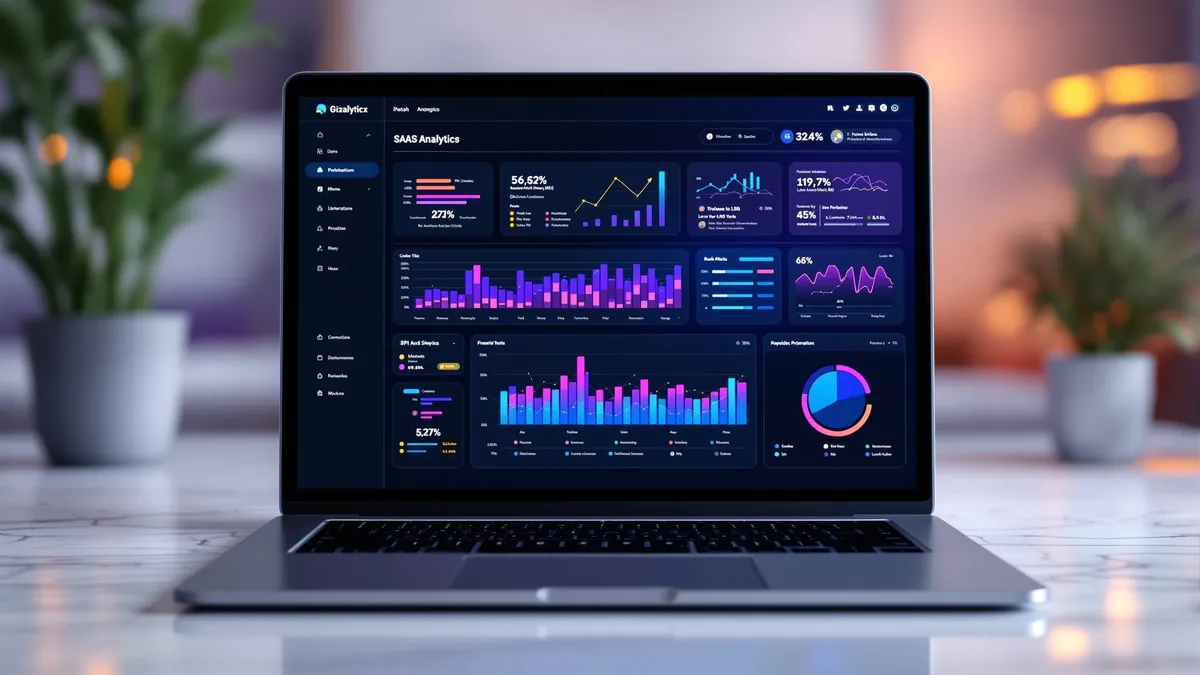
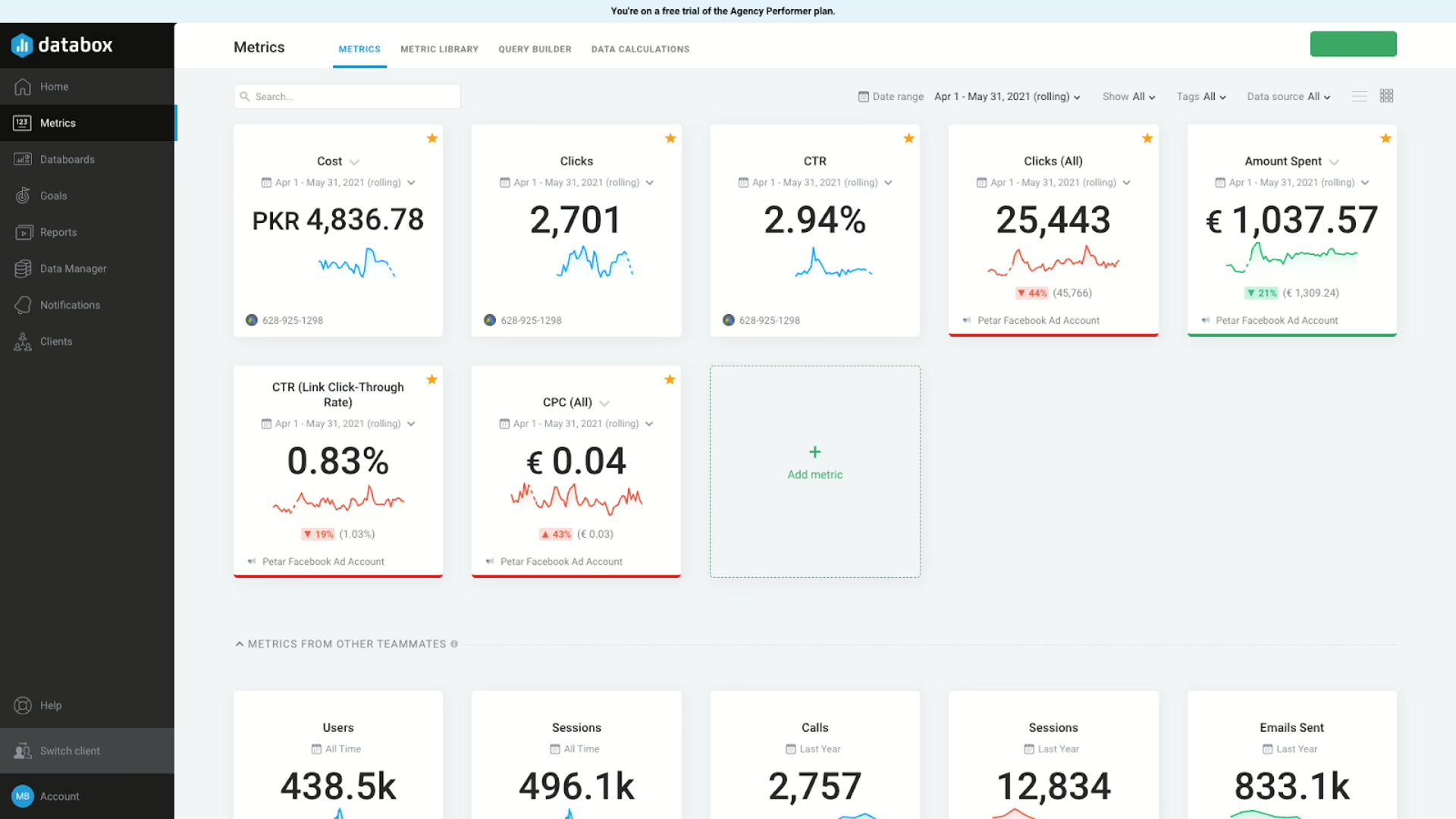
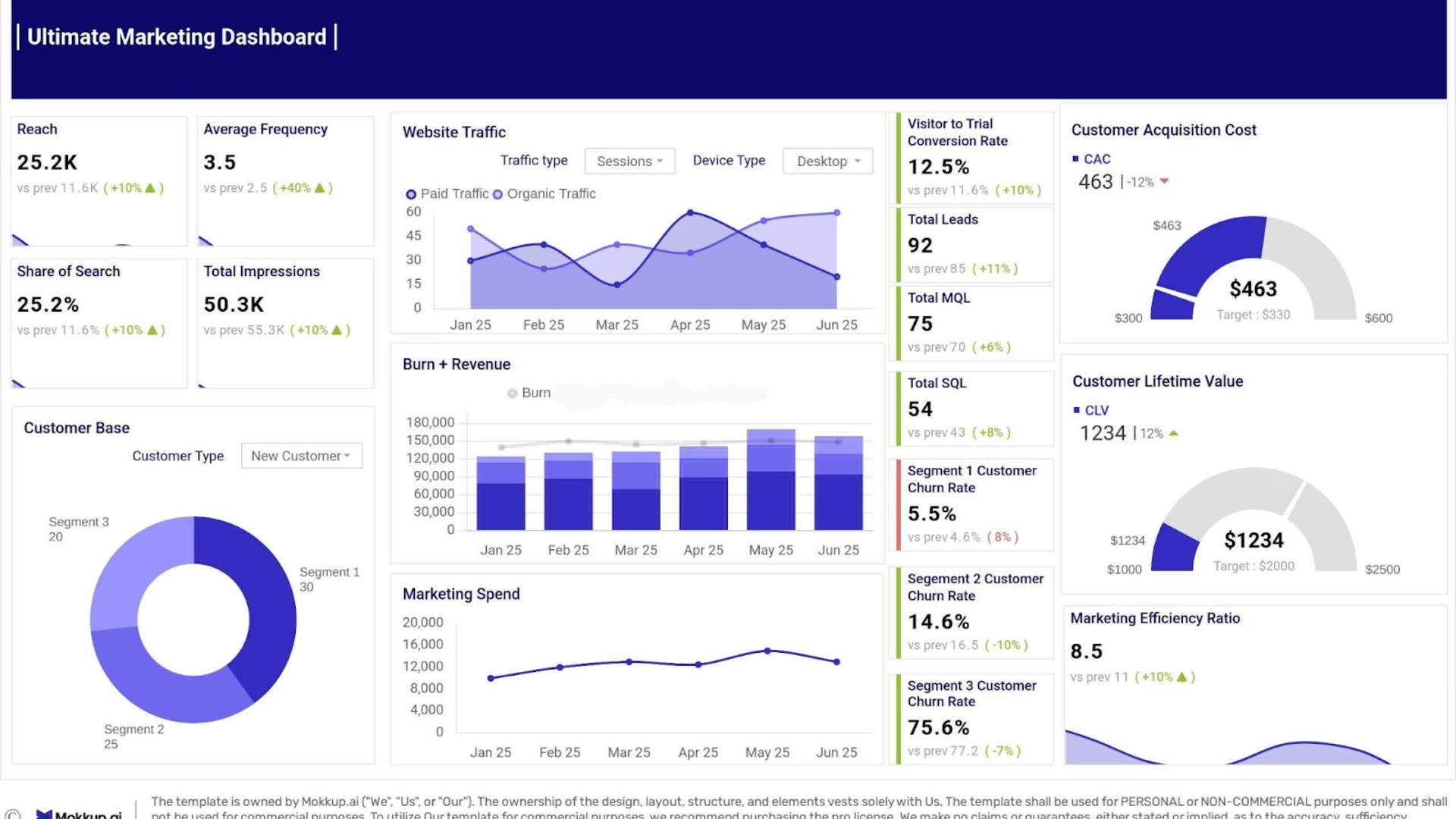
Analytics & Reporting Dashboards
Custom analytics platforms with configurable KPI displays, interactive charts (Recharts, Chart.js), exportable PDF and CSV reports, real-time data streaming, and automated report scheduling. Connect data from Google Analytics, advertising platforms, CRMs, and internal databases into a unified performance view.
Lead Generation & Nurturing Applications
Conversion-optimized applications featuring multi-step forms, interactive quiz funnels, automated follow-up sequences, lead scoring, and CRM integration. Every form is engineered to maximize completion rates while capturing the data your sales team needs.
Inventory & Supply Chain Management Tools
For e-commerce and service businesses: inventory tracking, stock alerts, supplier management, order processing workflows, barcode/SKU management, and warehouse location tracking. Integrates with your existing e-commerce platform for real-time synchronization.
Event Management Platforms
Full-featured event platforms with ticketing (Stripe payments), attendee portals, digital check-in systems, speaker management, sponsor showcases, session scheduling, and post-event analytics. Scalable from small workshops to large conferences.
Internal Agency Tools (White-Label Ready)
Custom tools designed specifically for marketing agencies: campaign planners, content calendars, SEO audit tools, reporting generators, client onboarding workflows, and project management dashboards. All white-label ready for your agency to brand and offer to clients.
Technical Features & Integrations
Every application we build leverages a comprehensive suite of technical capabilities:
Authentication & User Management
Secure authentication powered by NextAuth.js with support for email/password, OAuth providers (Google, Meta, Apple), magic link authentication, and enterprise SSO readiness. Role-based access control (RBAC) ensures that every user sees only what they should, from basic viewers to super administrators.
Database Architecture & Data Layer
Prisma ORM with full schema design, intelligent relations, raw query support for complex operations, and automatic migration management. We design database schemas for performance at scale — proper indexing, query optimization, connection pooling, and audit logging are built in from day one.
Payments & Monetization
Stripe integration covering every payment scenario: one-time charges, recurring subscriptions, usage-based billing, invoicing, tax calculation, webhook processing, and PCI-compliant checkout. Whether you're selling products, subscriptions, or event tickets, we build the payment infrastructure.
Third-Party Integrations
We integrate with virtually any service that has an API:
- Marketing: HubSpot, Google Ads, Google Analytics 4, Meta Ads/Pixel, Semrush, Mailchimp
- Communication: Twilio (SMS), Slack, email APIs
- Scheduling: Calendly, Google Calendar
- AI: OpenAI (content generation, chatbots, image generation), custom AI pipelines
- Automation: Zapier, custom webhook receivers, scheduled tasks
- Any REST or GraphQL API: If it has an API, we can integrate it
Real-Time Features
Server-Sent Events and WebSocket connections for live dashboards, real-time notifications, collaborative editing, live chat, and streaming data updates. Your users see changes the moment they happen.
Content & Media Management
Cloud-based file storage integration for user uploads, Next.js Image component for automatic image optimization, rich-text editors (TipTap, Lexical) for content creation, and draft/preview modes for content review workflows.
Forms & Automation
Server Actions for zero-latency form processing, React Hook Form with Zod validation for type-safe forms, multi-step wizard forms, file upload handling, spam protection (CAPTCHA), and automated notification workflows triggered by form submissions.
AI-Powered Features
AI content previews, semantic search across your content, chatbots for customer support, dynamic content personalization, automated content summarization, and AI-assisted form filling. We integrate large language model capabilities directly into your web application.
Our Development Process
Every project follows a structured, transparent process designed to deliver exceptional results on time and within budget:
- Discovery & Strategy: We analyze your business goals, target audience, competitor landscape, and technical requirements. The output is a detailed project specification with wireframes, user flows, and a technology recommendation.
- Design & Prototyping: Our UX/UI designers create high-fidelity mockups and interactive prototypes. You review, provide feedback, and approve before any code is written.
- Development Sprints: We build in iterative sprints with regular demos. You see progress every week, provide feedback, and approve each milestone. No surprises at launch.
- Testing & QA: Comprehensive testing including TypeScript type checking, automated build verification, cross-browser testing, mobile responsive testing, accessibility auditing, and performance benchmarking.
- Launch & Optimization: Staged deployment with monitoring, Core Web Vitals verification, schema markup validation, and search engine indexing. We ensure everything is perfect before going live.
- Post-Launch Support: 30–90 days of included support covering bug fixes, performance tuning, and minor enhancements. Ongoing maintenance retainers available for continued development.
SEO & AI Search Optimization Built In
Unlike traditional development agencies that treat SEO as an afterthought, we engineer search visibility into every application from the architecture level:
- Server-Side Rendering (SSR) ensures search engines see fully rendered HTML, not empty JavaScript shells
- Automatic sitemap generation keeps search engines informed of every page and every update
- Dynamic Open Graph images ensure every shared link looks professional on social media
- Canonical tags and robots.txt prevent duplicate content issues
- Schema.org structured data (Organization, Product, Service, FAQ, Article, BreadcrumbList) enables rich search results and AI citations
- Core Web Vitals optimization from the architecture level — image optimization, code splitting, font loading, and lazy loading are built-in, not bolt-on
- E-E-A-T signals through proper authorship, expertise demonstration, and trust markers
This is why our clients' web applications don't just function — they rank. Combined with our SEO services, link building, and content marketing, we deliver websites that dominate search results across both traditional and AI-powered search engines.
Security, Accessibility & Compliance
Security
Every application includes rate limiting, CAPTCHA protection, data encryption (at rest and in transit), input sanitization, CSRF protection, secure authentication with hashed credentials, and regular dependency auditing. We follow OWASP security best practices and conduct security reviews before every launch.
Accessibility (WCAG 2.2)
Full keyboard navigation support, screen-reader compatible markup, ARIA labels, proper heading hierarchy, sufficient color contrast ratios, focus indicators, and reduced-motion support. We build for everyone, not just the majority.
Compliance
GDPR and CCPA-ready consent management, cookie banners, data retention policies, user data export capabilities, and audit trails for sensitive operations. We implement compliance requirements specific to your industry and geography.
Maintenance, Support & Sellable Add-Ons
Post-Launch Support
Every project includes 30–90 days of post-launch support covering bug fixes, performance monitoring, and minor adjustments. This ensures a smooth transition to production and addresses any issues that surface after real-world usage.
Ongoing Maintenance Retainers
Comprehensive maintenance packages covering security updates, dependency management, performance monitoring, feature development, content updates, and continuous optimization. Think of us as your permanent development team available whenever you need us.
Additional Services
- Performance audits & Core Web Vitals optimization for existing websites
- A/B testing infrastructure for conversion rate optimization
- White-label solutions for agencies wanting to resell our development capabilities
- Platform migrations from WordPress, Webflow, Squarespace, or Shopify to Next.js (with full SEO preservation, URL redirects, and zero traffic loss)
- Training & documentation handoff so your team can manage day-to-day operations
- API development for mobile apps and third-party integrations
Every Project Includes
- Full source code ownership
- Comprehensive technical documentation
- 30–90 day post-launch support
- Clear pricing (fixed-bid or hourly)
- Deployment to your preferred hosting platform
Why Choose Digital Marketing Co. for Web Application Development?
🔗 Marketing-First Engineering
Unlike pure development shops, we understand SEO, PPC, and content strategy. Every architectural decision considers its impact on search rankings, conversion rates, and marketing ROI.
⚡ Modern Stack, Future-Proof Architecture
Next.js + React + Prisma + TypeScript is the industry-standard stack for 2026 and beyond. Your application won't need to be rebuilt when technology evolves — it's already on the leading edge.
🎯 Conversion-Driven Design
Every page, form, and user flow is engineered to convert. We combine UX best practices with data-driven optimization to maximize the business value of every visitor.
🛡️ Production-Grade Quality
TypeScript, automated testing, comprehensive error handling, and security-first architecture. We ship code that works reliably in production, not prototypes that break under real-world conditions.
🤖 AI & GEO-Ready
Every application is built with AI search visibility in mind. From structured data to semantic HTML, your content is optimized for Google AI Overviews, ChatGPT, Perplexity, and every AI search engine that follows.
🌍 Global Reach, Local Expertise
We serve clients across 18+ countries and understand the technical, regulatory, and cultural nuances of building applications for different markets.
Frequently Asked Questions About Web Application Development
What types of web applications can you build?
We build every type of production-grade web application: custom SaaS platforms with subscription billing, e-commerce stores and marketplaces, client portals and performance dashboards, booking and reservation systems, membership and community platforms, internal CRMs and sales tools, analytics dashboards, lead generation applications, event management platforms, knowledge bases, and AI-powered web applications. All built with Next.js, React, TypeScript, and Prisma for maximum performance, SEO, and reliability.
How much does custom web application development cost?
Projects start at $5,000 for landing pages and brochure sites. Full-stack web applications typically range from $10,000 to $75,000+ depending on complexity, features, integrations, and design requirements. We offer both fixed-bid pricing (for well-defined projects) and hourly rates (for evolving requirements). Every project includes full source code ownership, comprehensive documentation, and 30–90 day post-launch support.
What technology stack do you use?
We build exclusively with Next.js 14+ (the industry-leading React framework featuring App Router, Server Components, and Server Actions), TypeScript for compile-time type safety, Prisma ORM with PostgreSQL for the database layer, and Tailwind CSS for responsive styling. This stack delivers server-side rendering for instant SEO indexing, lightning-fast performance, scalable architecture, and the most maintainable codebase possible.
Can you integrate with third-party services like Stripe, HubSpot, or Google Analytics?
Absolutely. We integrate with Stripe for payment processing, Google Analytics 4 and Meta Pixel for conversion tracking, HubSpot and Mailchimp for CRM and email automation, Twilio for SMS, Calendly for scheduling, OpenAI for AI-powered features, Zapier for workflow automation, Slack for team notifications, and virtually any service that provides a REST or GraphQL API. If it has an API, we can integrate it.
How long does it take to build a custom web application?
Timelines depend on complexity. A high-conversion landing page takes 1–2 weeks. A corporate website with CMS and blog takes 3–6 weeks. A full SaaS application with authentication, payments, dashboards, and API integrations typically takes 8–16 weeks. We provide detailed timelines, milestones, and deliverables in every project proposal.
Do you provide ongoing maintenance and support?
Yes. Every project includes 30–90 days of post-launch support covering bug fixes, performance tuning, and minor enhancements. We also offer ongoing maintenance retainers covering security updates, dependency management, feature development, content updates, performance monitoring, and continuous optimization. Many clients keep us on retainer as their permanent development team.
Can you migrate my existing WordPress or Webflow site to Next.js?
Yes, we specialize in platform migrations from WordPress, Webflow, Squarespace, Shopify, and other platforms to Next.js. We handle URL redirects, SEO preservation, content migration, and design improvements to ensure zero traffic loss during the transition. Most clients see significant performance and ranking improvements after migration.
Do I own the source code?
Yes, 100%. Every project includes full source code ownership. The code, database schema, content, and all associated assets belong to you. We provide comprehensive documentation and can train your team to manage ongoing operations if desired.
Ready to Build a Web Application That Drives Results?
From high-converting landing pages to full SaaS platforms, our development team turns your vision into a production-ready application that ranks, converts, and scales. Schedule your free consultation today and discover what custom web application development can do for your business.
Explore our link building services and backlink strategies guide to learn how we drive organic traffic to the applications we build. Read more on our blog for additional digital marketing insights.

Ready to Level Up Your Custom Web Application Development Services?
Let's talk about what you're trying to achieve. We'll put together a plan built around your specific goals — no cookie-cutter strategies.
You Might Also Like
Related Services

Included With Your Investment
All of this comes built into your custom web application
How Does Your Website Score?
Get a free, instant analysis of your website across SEO, speed, mobile, security, accessibility, AIO, GEO, AEO, Local SEO, Schema.org, and WCAG compliance.
We analyze 12 critical dimensions: