







What Is Answer Engine Optimization (AEO)?
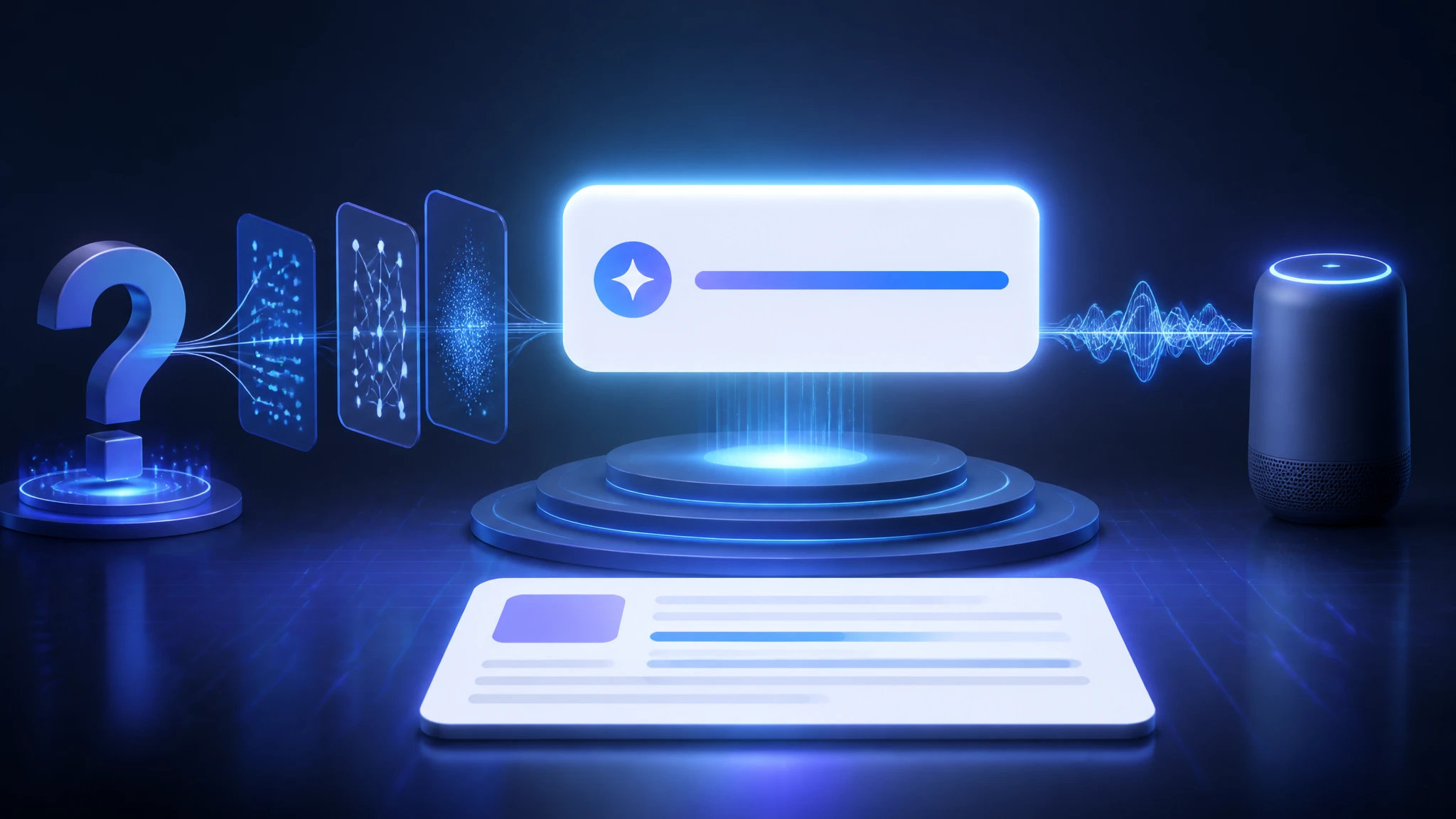
Answer Engine Optimization (AEO) is the practice of optimizing digital content so that it appears as direct answers in AI-powered search engines, voice assistants, featured snippets, and knowledge panels. While traditional SEO focuses on ranking web pages in organic results, AEO targets the increasingly prevalent "answer boxes" and AI-generated responses that appear above or instead of traditional search results.
The rise of conversational AI has fundamentally changed how people find information. ChatGPT, Google Gemini, Perplexity, and voice assistants like Siri, Alexa, and Google Assistant don't just return links — they synthesize answers from multiple sources and present them conversationally. AEO ensures your brand is the one being cited in these responses.
Research from the Pew Research Center indicates that AI chatbot usage has grown significantly, with nearly 25% of American adults now using AI tools regularly for information retrieval. This shift demands a fundamentally different optimization approach.
Why AEO Matters: The Zero-Click Revolution
The search landscape has undergone a seismic shift. According to studies from SparkToro, over 65% of Google searches now result in zero clicks — the user gets their answer directly from the SERP without visiting any website. Google AI Overviews, featured snippets, knowledge panels, and People Also Ask boxes increasingly satisfy user queries within the search results page itself.
For businesses, this means that simply ranking on page one is no longer sufficient. If your content isn't structured to be the answer — the source that Google, ChatGPT, or Perplexity cites — you may have high rankings but declining traffic. AEO bridges this gap by ensuring your content is formatted, structured, and authoritative enough to be selected as the definitive answer.
Core AEO Strategies
1. Structured Data & Schema Markup
Schema markup is the technical backbone of AEO. By implementing structured data using the Schema.org vocabulary, you provide search engines and AI systems with explicit, machine-readable context about your content. Key schema types for AEO include:
- FAQPage: Marks up question-and-answer content, making it eligible for rich FAQ snippets
- HowTo: Structures step-by-step instructions for how-to featured snippets
- Article & NewsArticle: Identifies journalistic and informational content
- Organization & LocalBusiness: Provides entity information for knowledge panels
- Product & Review: Enables rich product results with ratings and pricing
- DefinedTerm: Marks glossary entries and definitions for featured definitions
2. Conversational Content Architecture
AI answer engines prefer content that directly addresses specific questions in a clear, authoritative manner. The most effective AEO content follows patterns identified by research from Semrush:
- Question-first headings: Use natural language questions as H2/H3 headings (e.g., "What is AEO?" rather than "AEO Overview")
- Concise answer paragraphs: Provide a clear, 2-3 sentence answer immediately after each question heading, followed by supporting detail
- Definitive statements: Start paragraphs with clear definitions rather than hedging language
- Factual density: Include specific statistics, dates, and verifiable claims that AI systems can confidently reference
3. Entity Optimization
Modern search engines and AI systems understand the web through entities — distinct, well-defined concepts like people, organizations, places, and topics. Research from Stanford's Natural Language Processing Group demonstrates that entity recognition is foundational to how AI models understand and cite sources.
To optimize for entity search: establish your brand as a recognized entity through consistent cross-platform presence, earn mentions in authoritative sources, implement Organization schema, and create content that establishes topical authority in your domain.
4. Voice Search Optimization
Voice search through Siri, Alexa, and Google Assistant represents a significant AEO channel. Voice queries tend to be longer, more conversational, and question-based compared to typed searches. Optimization strategies include targeting long-tail conversational queries, providing concise answer-length responses (typically 29-40 words for featured snippet answers), and optimizing for local "near me" queries which are particularly common in voice search.
AEO vs. Traditional SEO: Complementary, Not Competing
AEO and SEO are not competing disciplines — they are complementary strategies that work together to maximize search visibility. SEO ensures your content is discoverable and rankings are strong; AEO ensures your content is citeable and selected as the authoritative answer. The strongest digital strategies integrate both, using SEO foundations (technical excellence, quality content, authority) to enable AEO success (featured snippets, AI citations, voice answers).
A study published by the McKinsey Global Institute found that companies with integrated search strategies — combining organic SEO, AEO, and paid search — achieve 25-40% higher customer acquisition efficiency than those using single-channel approaches.
Measuring AEO Performance
AEO measurement requires new metrics beyond traditional SEO KPIs:
- Featured snippet ownership rate: What percentage of target queries show your content in position zero?
- AI citation tracking: How frequently is your brand mentioned in ChatGPT, Perplexity, and Google AI Overview responses?
- Voice search answer rate: Is your content selected as the spoken answer for target voice queries?
- Knowledge panel presence: Does your brand have a Google Knowledge Panel, and is the information accurate?
- Zero-click impression share: What is your brand's visibility in SERP features that don't generate clicks?
The Future of AEO
As AI becomes more deeply integrated into search, AEO will only grow in importance. The shift from "ten blue links" to conversational, answer-first search experiences means that businesses must evolve their optimization strategies accordingly. Organizations that invest in AEO today are building the foundation for search visibility in an increasingly AI-mediated digital landscape.