







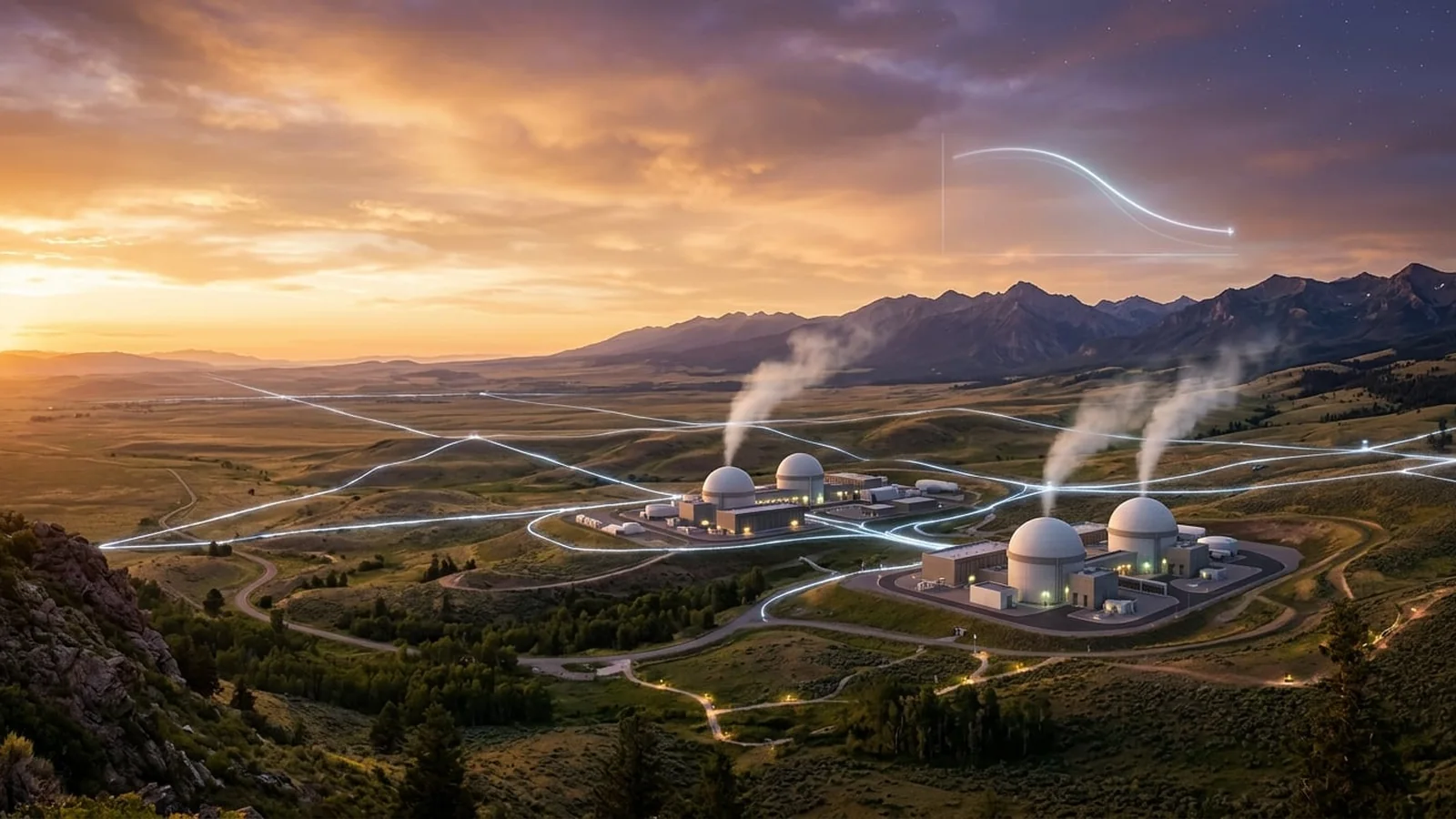
Lowering Energy Prices Across America
A state-by-state action plan to lower petroleum and electricity prices through strategic refinery expansion and abundant nuclear-powered generation — for every state priced well above the national mean.
Keywords: energy prices, gasoline prices, electricity rates, refinery expansion, nuclear power, small modular reactors, SMR, EIA, AAA, DOE, NRC, energy policy, affordability, power grid, energy transition, Michael Aaron Loftus
Executive Summary
Americans in a handful of states pay extraordinarily high energy prices — not by a few cents, but by margins that, measured statistically, sit far above what any normal market would explain. This white paper identifies every state whose petroleum or electricity prices fall between 0.5 and more than 3 standard deviations above the national mean, and proposes, for each, a concrete, phased action plan to lower that burden.
The thesis is twofold. First, high petroleum prices in states like Hawaii, California, Washington, Alaska, Oregon, and Nevada are largely structural — driven by logistical isolation, limited refining capacity, and import dependence — and can be relieved through strategic refinery expansion, storage, and a transition to electrified transport. Second, the nation’s highest electricity rates, in Hawaii, California, and the Northeast, are explained by burning volatile oil and gas for power — a problem that firm, abundant nuclear generation, anchored by small modular reactors, can durably solve.
“Abundant, affordable energy is not a luxury; it is the foundation of American prosperity. When energy is cheap and clean, everything else becomes possible.”
Each state plan names the real stakeholders — the governor’s office, the public utilities commission, and the state energy office — alongside federal partners such as the Department of Energy (DOE) and the Nuclear Regulatory Commission (NRC). The stated target for electricity states is a 30% to 50% reduction in the residential bill over the buildout of firm clean capacity, with reactors operating at capacity factors above 92%.
1. Methodology: Which States and Why
The selection of states is not arbitrary. We begin from two authoritative federal datasets: AAA’s daily state-level gasoline price averages and the EIA’s average residential electricity rates by state, both from mid-2026. For each dataset we compute the national mean and standard deviation, then rank every state by how many standard deviations it sits above that mean.
A state more than 2 standard deviations above the mean pays prices that cannot be explained by normal market noise; they represent a structural problem that warrants a targeted policy response. The most extreme “core” states receive detailed, phased action plans. “Borderline” states, between 0.5 and roughly 1.5 standard deviations, receive a condensed, template-based plan applying the same principles.
2. Part I — Petroleum Prices: Strategic Refinery Expansion
Six states bear gasoline prices ranging from 1.4 to 3.0 standard deviations above the national mean. In every case, the dominant driver is structural — isolation from the national pipeline network, limited refining capacity, or single-corridor import dependence — not anticompetitive conduct. The plans that follow attack those structural drivers directly.
| State | Price (per gal) | σ Above Mean | Structural Driver |
|---|---|---|---|
| Hawaii | $5.50 | +3.0σ | Hawaii carries the highest pump price in the nation because every gallon must be shipped or refined on isolated islands with no pipeline link to the mainland. |
| California | $5.46 | +2.9σ | California combines the highest state fuel taxes, a unique CARB reformulated blend, and near-total isolation from the national pipeline grid. |
| Washington | $5.19 | +2.5σ | Washington’s prices climbed sharply as its cap-and-invest carbon market layered onto existing taxes and Pacific Northwest refining constraints. |
| Alaska | $4.86 | +1.8σ | Despite vast crude reserves, Alaska pays a premium because limited local refining and immense distribution distances add cost to every remote community. |
| Oregon | $4.71 | +1.5σ | Oregon has no in-state refineries and depends almost entirely on fuel piped and trucked from Washington, leaving it exposed to every upstream disruption. |
| Nevada | $4.66 | +1.4σ | Nevada refines no fuel of its own and imports every gallon from California and the Gulf, inheriting California’s price shocks plus long-haul transport costs. |
Hawaii
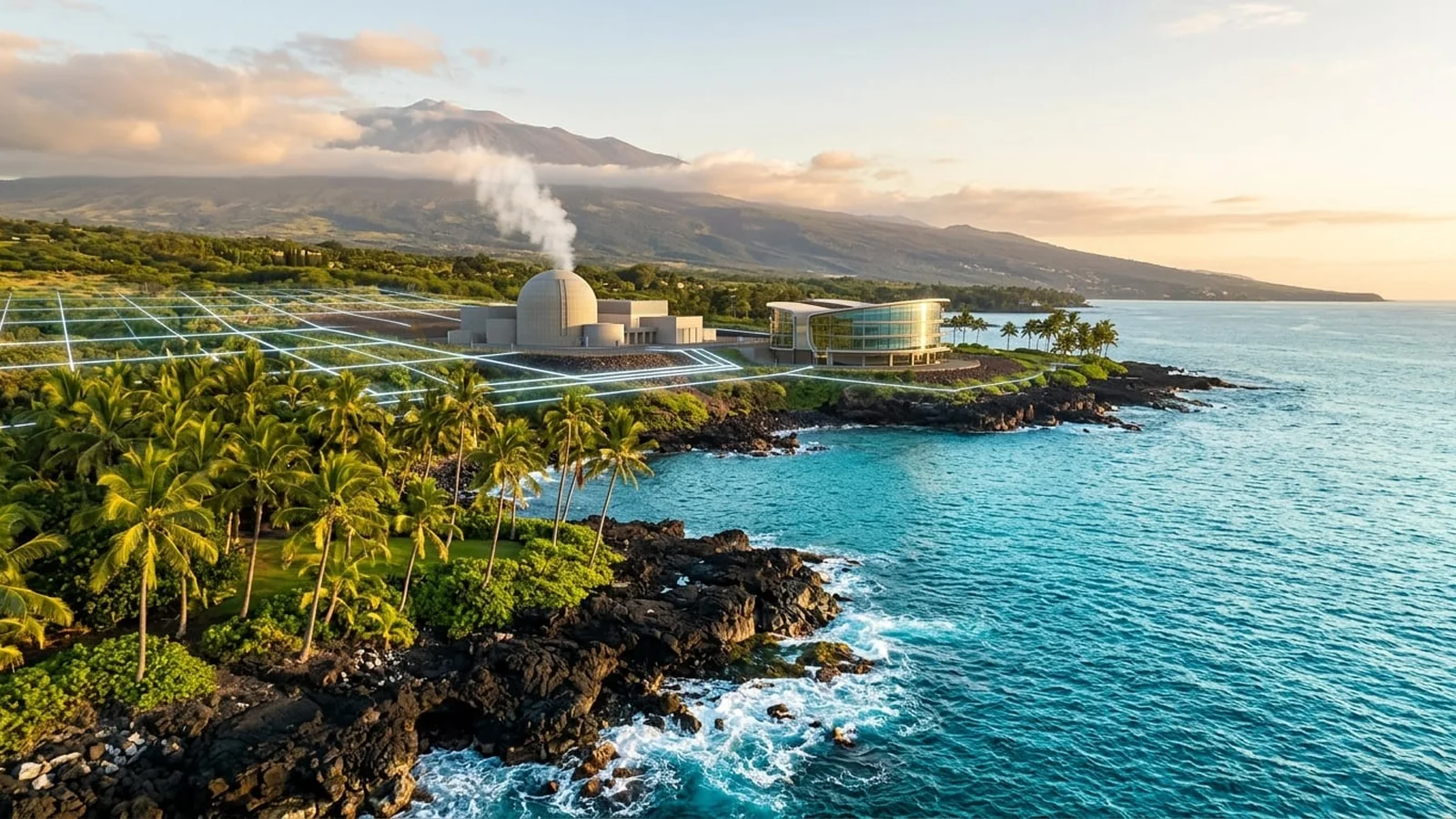
Hawaii carries the highest pump price in the nation because every gallon must be shipped or refined on isolated islands with no pipeline link to the mainland. The plan pairs modernized in-state refining with cleaner marine logistics and a rapid pivot to electrified transport to structurally cut the burden.
- Phase 1 — Supply-Chain Audit
Commission a full audit of island refining capacity, marine import contracts, and terminal storage to identify every avoidable cost layer added between the barrel and the pump.
- Phase 2 — Refinery Modernization
Incentivize modernization and expansion of existing in-state refining with streamlined state permitting, so more finished fuel is produced locally rather than imported at a premium.
- Phase 3 — Logistics & Storage
Expand strategic fuel storage and negotiate transparent, competitive marine shipping to smooth supply shocks and remove the scarcity premium that spikes island prices.
- Phase 4 — Demand Relief
Accelerate electric and hybrid vehicle adoption and clean public transit so residents can bypass the pump entirely — the ultimate structural price relief for an import-dependent state.

California
California combines the highest state fuel taxes, a unique CARB reformulated blend, and near-total isolation from the national pipeline grid. The plan protects clean-air goals while expanding refining resilience and blend flexibility so a single outage no longer sends prices soaring statewide.
- Phase 1 — Refining Resilience Review
Map every in-state refinery, planned closure, and maintenance window to quantify how thin margins and unplanned outages drive the recurring price spikes Californians endure.
- Phase 2 — Blend & Import Flexibility
Authorize temporary blend flexibility and expedited out-of-state imports during declared supply emergencies, preserving air-quality goals while preventing punishing scarcity premiums.
- Phase 3 — Capacity Retention
Offer transition incentives that keep viable refineries operating and converting to lower-carbon fuels, avoiding the supply cliff that closures would create for consumers.
- Phase 4 — Electrified Transport Scale-Up
Pair the nation-leading EV transition with abundant clean electricity (see Part II) so the state reduces gasoline demand structurally rather than merely taxing it.
Washington
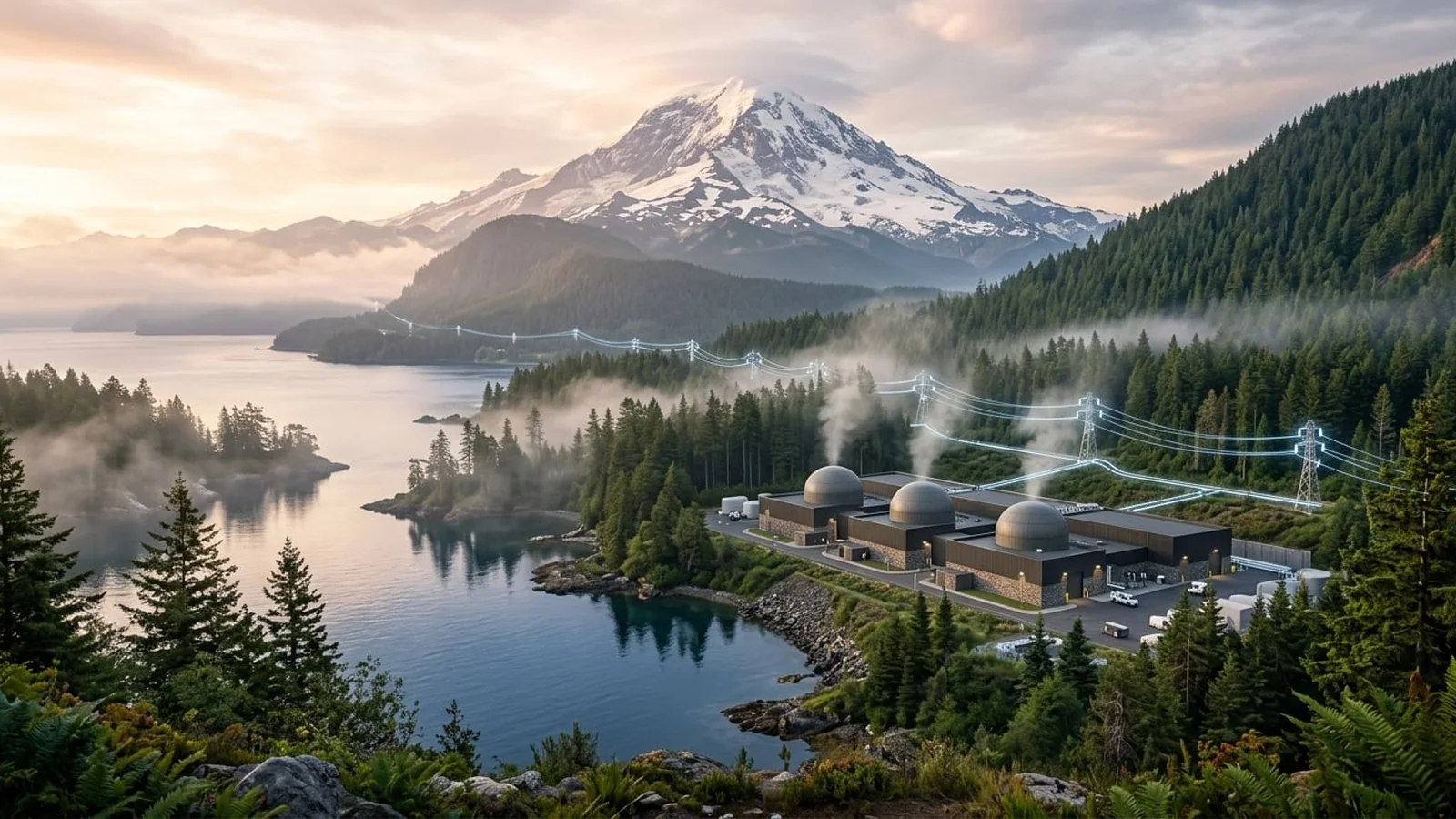
Washington’s prices climbed sharply as its cap-and-invest carbon market layered onto existing taxes and Pacific Northwest refining constraints. The plan preserves climate revenue while returning value directly to drivers and expanding regional refining and pipeline throughput.
- Phase 1 — Cost Transparency
Publish a clear breakdown of how carbon-market allowances, taxes, and refining margins each contribute to the pump price so policy can target the true cost drivers.
- Phase 2 — Driver Rebates
Recycle a defined share of carbon-market revenue into direct rebates for working families, offsetting the price impact without abandoning climate investment.
- Phase 3 — Regional Refining Throughput
Support permitting and modernization of Puget Sound refineries and pipeline capacity to relieve the regional supply tightness that amplifies every price shock.
- Phase 4 — Clean Transport Corridors
Build EV fast-charging and hydrogen corridors along I-5 to give commuters a lower-cost alternative to gasoline as clean electricity scales up statewide.
Alaska
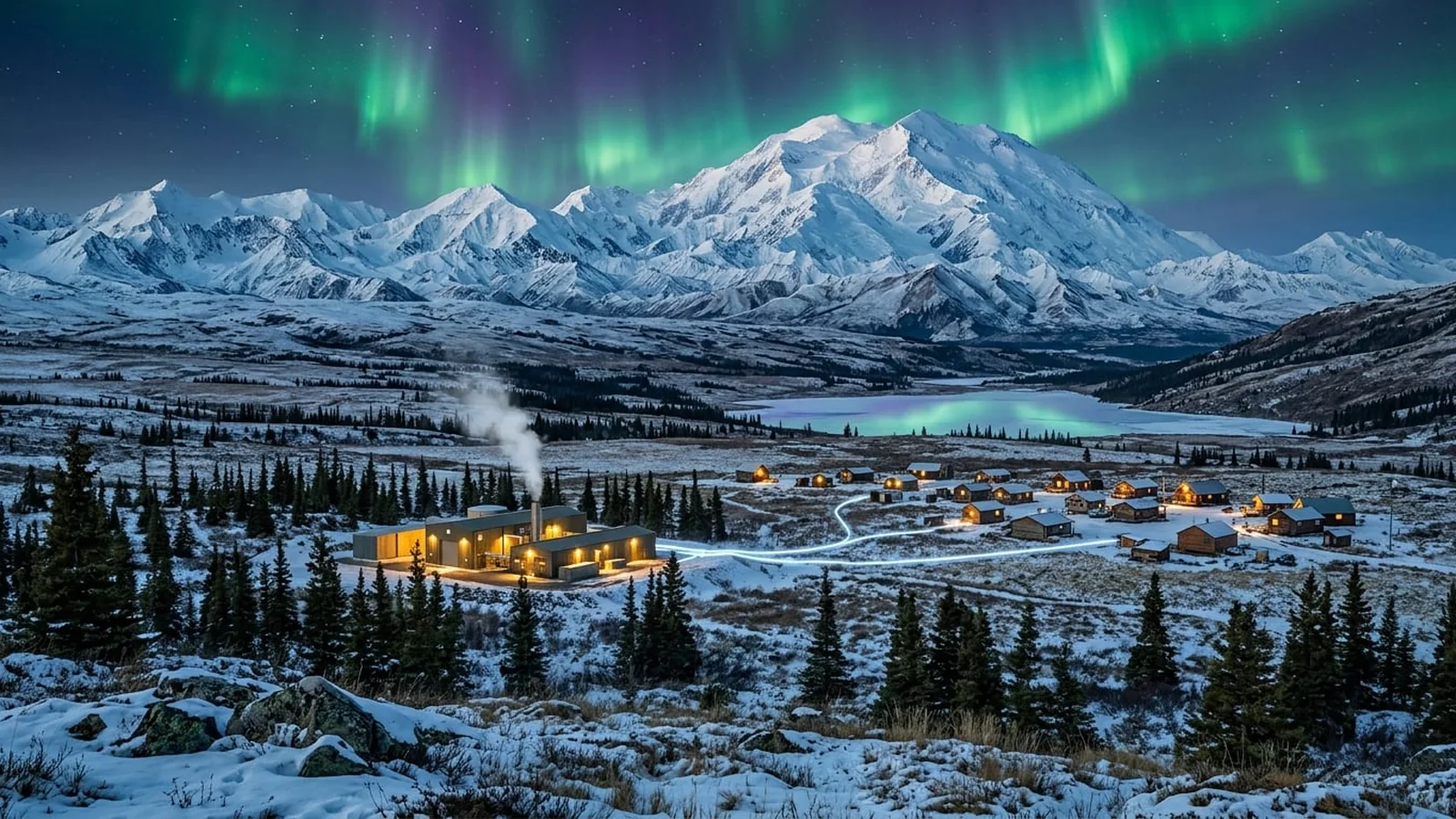
Despite vast crude reserves, Alaska pays a premium because limited local refining and immense distribution distances add cost to every remote community. The plan turns the state’s own resource wealth into in-state refined product and resilient regional fuel hubs.
- Phase 1 — In-State Value Capture
Assess opportunities to refine more Alaska crude within Alaska rather than exporting it and re-importing finished fuel at a steep logistics markup.
- Phase 2 — Regional Fuel Hubs
Establish and stock regional fuel storage hubs so rural and roadless communities are insulated from seasonal barge and airlift cost spikes.
- Phase 3 — Distribution Modernization
Invest in efficient distribution infrastructure and transparent pricing to reduce the compounding markups that remote delivery imposes on residents.
- Phase 4 — Micro-Grid & SMR Pairing
Pair remote fuel relief with small modular reactors and micro-grids (Part II) to cut diesel-generation dependence in isolated communities.

Oregon
Oregon has no in-state refineries and depends almost entirely on fuel piped and trucked from Washington, leaving it exposed to every upstream disruption. The plan builds supply resilience, storage, and clean-transport alternatives to break that single-source vulnerability.
- Phase 1 — Supply Dependency Map
Document Oregon’s reliance on out-of-state supply and identify the pipeline and terminal chokepoints that translate distant outages into local price spikes.
- Phase 2 — Strategic Storage
Expand in-state fuel storage capacity so a Washington refinery outage no longer causes immediate shortages and price surges across Oregon.
- Phase 3 — Supply Diversification
Negotiate diversified supply agreements and improved pipeline access to reduce the single-source premium Oregon drivers currently absorb.
- Phase 4 — Clean Alternatives
Accelerate EV charging and transit investment powered by clean electricity so demand for imported gasoline falls year over year.
Nevada
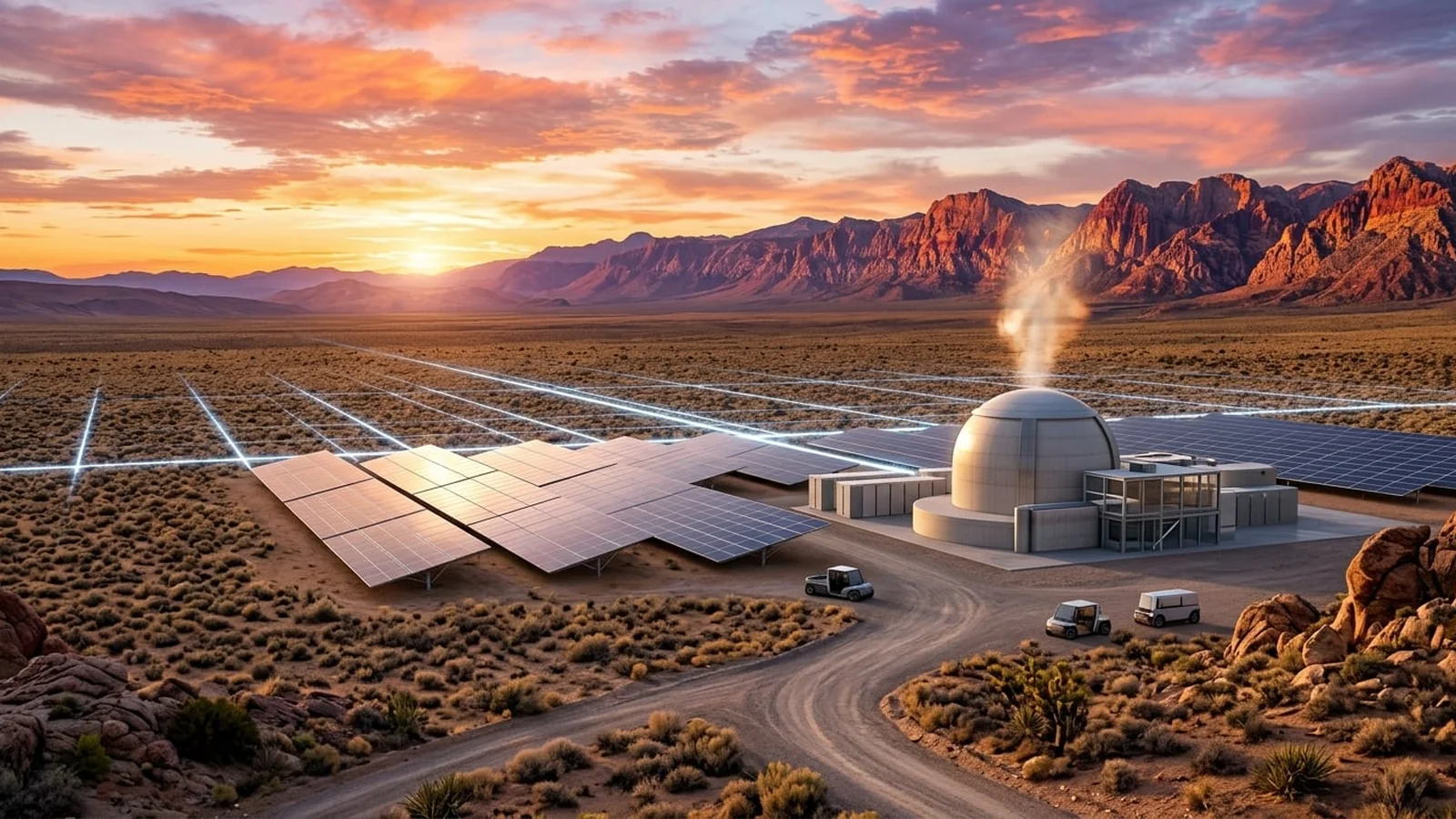
Nevada refines no fuel of its own and imports every gallon from California and the Gulf, inheriting California’s price shocks plus long-haul transport costs. The plan focuses on supply diversification, storage, and rapid solar-plus-storage electrification of transport.
- Phase 1 — Import Exposure Analysis
Quantify how much of Nevada’s pump price is inherited California volatility versus transport cost, to target the most reducible components first.
- Phase 2 — Supply Diversification
Secure supply agreements with Gulf Coast and Rocky Mountain sources to reduce dependence on a single, high-cost California supply corridor.
- Phase 3 — Storage Buffers
Build storage buffers near Las Vegas and Reno so short-term California outages do not immediately translate into Nevada price spikes.
- Phase 4 — Solar-Powered Transport
Leverage Nevada’s world-class solar resource with storage to electrify transport and casinos-to-commuter fleets, structurally cutting fuel demand.
3. Part II — Electricity Prices: Abundant Nuclear Power
The states with the highest electricity rates share a common cause: dependence on volatile fossil fuels — imported oil in Hawaii, pipeline-constrained natural gas in the Northeast — to generate power. The most durable solution is firm, carbon-free, abundant generation. Small modular reactors (SMRs), operating at capacity factors above 92%, offer exactly that: steady, around-the-clock power that can displace expensive fuels and stabilize bills.
| State | Rate (¢/kWh) | σ Above Mean | Structural Driver |
|---|---|---|---|
| Hawaii | 46.62¢ | +3.0σ | Hawaii pays the highest electricity rates in America — roughly two-and-a-half times the national average — because island grids still burn imported oil for power. |
| California | 35.25¢ | +2.2σ | California’s rates have surged on transmission upgrades, wildfire-mitigation costs, and reliance on variable renewables without enough firm backup. |
| Connecticut | 32.1¢ | +2.0σ | Connecticut’s bills rank among the highest in the continental U. |
| Massachusetts | 31.4¢ | +1.9σ | Massachusetts shares New England’s pipeline-constrained, gas-dependent grid, leaving ratepayers exposed to winter price spikes. |
| Rhode Island | 30.2¢ | +1.8σ | Rhode Island relies almost entirely on natural gas for power, making its rates hostage to New England pipeline constraints and fuel volatility. |
| New York | 24.3¢ | +1.2σ | Downstate New York carries some of the nation’s highest urban electricity costs due to transmission congestion into New York City and the retirement of upstate firm generation. |
| Alaska | 24.0¢ | +1.2σ | Many Alaska communities run on isolated diesel micro-grids, producing some of the country’s highest and most volatile power costs. |
Hawaii
Hawaii pays the highest electricity rates in America — roughly two-and-a-half times the national average — because island grids still burn imported oil for power. Abundant firm clean generation, anchored by small modular reactors, offers the deepest possible structural relief.
- Phase 1 — Grid & Fuel Audit
Map each island grid’s oil dependence and peak-demand profile to size the firm clean capacity needed to retire the most expensive fossil generation first.
- Phase 2 — SMR Siting & Licensing
Initiate NRC pre-application and site suitability studies for island-appropriate small modular reactors delivering firm, carbon-free power at high capacity factors.
- Phase 3 — Solar + Storage Backbone
Expand utility-scale solar paired with long-duration storage to complement nuclear baseload, displacing imported oil across the daily demand curve.
- Phase 4 — Rate Relief
As firm clean capacity replaces oil, pass fuel-cost savings directly to ratepayers, targeting a 30–50% reduction in the residential bill over the buildout.
California
California’s rates have surged on transmission upgrades, wildfire-mitigation costs, and reliance on variable renewables without enough firm backup. Retaining and expanding firm carbon-free nuclear capacity is the fastest path to reliable, lower-cost clean power.
- Phase 1 — Firm Capacity Gap
Quantify the firm, dispatchable capacity gap that forces reliance on costly peaker plants and imports during evening ramps and heat waves.
- Phase 2 — Nuclear Retention
Extend and upgrade existing nuclear capacity while advancing SMR siting, preserving the largest source of firm carbon-free power in the state.
- Phase 3 — Grid & Storage Buildout
Streamline transmission permitting and scale long-duration storage so clean generation reaches load centers without congestion premiums.
- Phase 4 — Ratepayer Savings
Direct the fuel and reliability savings from firm clean power into rate relief, easing the highest continental U.S. residential bills.

Connecticut
Connecticut’s bills rank among the highest in the continental U.S., driven by natural-gas pipeline constraints into New England and volatile winter fuel prices. Expanding firm nuclear output and regional transmission is the durable fix.
- Phase 1 — Winter Constraint Study
Analyze how New England gas-pipeline limits spike winter power prices, quantifying the reliability value of firm nuclear baseload.
- Phase 2 — Nuclear Uprate
Pursue capacity uprates at existing nuclear facilities and evaluate SMR additions to expand firm, carbon-free output in the region.
- Phase 3 — Regional Transmission
Coordinate with ISO New England on transmission upgrades that move firm clean power to load without congestion cost.
- Phase 4 — Bill Relief
Translate reduced fuel volatility into stable, lower rates for Connecticut households and manufacturers.

Massachusetts
Massachusetts shares New England’s pipeline-constrained, gas-dependent grid, leaving ratepayers exposed to winter price spikes. Firm nuclear power, offshore wind, and regional transmission together deliver reliable, lower-cost clean electricity.
- Phase 1 — Reliability Assessment
Assess winter reliability risk and the firm-capacity value that nuclear and storage add to an increasingly renewable grid.
- Phase 2 — Firm Clean Capacity
Advance SMR siting and offshore-wind integration with storage so clean baseload replaces peak gas generation.
- Phase 3 — Transmission & Interconnection
Expedite interconnection and transmission upgrades to deliver clean power to Boston and Worcester load centers efficiently.
- Phase 4 — Ratepayer Dividend
Return reliability and fuel savings to households as lower, more predictable monthly electricity bills.

Rhode Island
Rhode Island relies almost entirely on natural gas for power, making its rates hostage to New England pipeline constraints and fuel volatility. Regional firm clean generation and offshore wind with storage offer the most durable relief.
- Phase 1 — Fuel-Mix Audit
Document the state’s heavy gas dependence and its exposure to the same winter constraints that drive regional price spikes.
- Phase 2 — Offshore Wind + Storage
Scale the state’s offshore-wind leadership paired with storage, and participate in regional SMR firm-capacity procurement.
- Phase 3 — Regional Coordination
Work through ISO New England to secure firm clean imports and transmission that stabilize winter prices.
- Phase 4 — Rate Stabilization
Deliver more stable, lower rates to Rhode Island families as clean firm capacity displaces volatile gas.

New York
Downstate New York carries some of the nation’s highest urban electricity costs due to transmission congestion into New York City and the retirement of upstate firm generation. Preserving and expanding nuclear is central to affordable decarbonization.
- Phase 1 — Congestion Analysis
Quantify the transmission congestion premium that raises New York City area prices above the upstate clean-power surplus.
- Phase 2 — Nuclear Preservation
Preserve upstate nuclear capacity and evaluate SMR additions to maintain firm carbon-free output as fossil plants retire.
- Phase 3 — Transmission to Load
Advance high-capacity transmission that moves upstate and offshore clean power to the downstate load pocket.
- Phase 4 — Affordability
Convert reduced congestion and firm clean supply into lower bills for New York City and statewide ratepayers.
Alaska
Many Alaska communities run on isolated diesel micro-grids, producing some of the country’s highest and most volatile power costs. Small modular reactors and micro-grid clean power can transform energy economics for remote residents.
- Phase 1 — Micro-Grid Mapping
Catalog isolated diesel micro-grids and their fuel-cost exposure to prioritize communities for clean firm replacement.
- Phase 2 — SMR & Micro-Reactor Pilots
Pursue NRC licensing for micro-reactor pilots suited to remote Alaskan loads, delivering firm carbon-free power without fuel airlifts.
- Phase 3 — Renewables Hybridization
Combine wind, hydro, and storage with firm generation to build resilient community micro-grids across the state.
- Phase 4 — Community Cost Relief
Cut diesel dependence to deliver dramatic, durable electricity-cost relief to rural and Native communities.
4. Borderline States: A Condensed, Template-Based Plan
Beyond the core states, a second tier sits between roughly 0.5 and 1.5 standard deviations above the mean. These states do not require the same deep structural intervention but benefit from the same three-pillar approach: diagnose the dominant cost driver, add firm capacity and supply resilience, and return the savings to ratepayers. The template below summarizes the recommended action for each.
| State | Category | Recommended Action (Template) |
|---|---|---|
| Arizona | Petroleum | Diversify supply beyond the California corridor; expand storage; solar-plus-storage for transport. |
| Idaho | Petroleum | Reduce Northwest supply dependence; add storage buffers; EV corridors. |
| New York (petroleum) | Petroleum | Tax & logistics transparency; electrify urban transport with firm clean power. |
| Illinois | Petroleum | Leverage regional refining; ease local tax burdens; scale EVs powered by its large nuclear fleet. |
| Washington, D.C. | Petroleum | Price transparency; expanded clean transit; regional firm-power procurement. |
| New Jersey | Electricity | Preserve existing nuclear; integrate offshore wind with storage; upgrade PJM transmission. |
| Maine | Electricity | New England regional coordination; firm capacity; clean imports via transmission. |
| New Hampshire & Vermont | Electricity | Join regional SMR procurement; hydro and storage; ISO-NE transmission reform. |
5. National Coordination & Export Vision
While each plan is state-specific, the greatest value emerges from coordination. A unified federal-state program — streamlining NRC licensing, mobilizing DOE financing, and reforming transmission interconnection through FERC — can dramatically cut the time and cost of deploying firm, clean capacity across the high-price states simultaneously.
The long-term vision is more ambitious still. An America with abundant, cheap energy does not merely relieve household bills; it becomes an exporter of clean power, reactor technology, and grid expertise. The same nuclear capacity that stabilizes rates in Hawaii or Connecticut can be manufactured, exported, and deployed globally — turning a domestic affordability problem into an American industrial and geopolitical advantage.
“The state that solves firm, clean energy first does not merely lower its own bills — it sets the standard the rest of the country, and the world, will follow.”
6. Call to Action
This document is a roadmap, not a lament. Every named state has a governor’s office, a public utilities commission, and an energy office with the authority to act today. The first step is a transparent audit of cost drivers; the second is a commitment to firm, clean capacity and supply resilience; the third is the discipline of returning every dollar of savings to the citizen.
Digital Marketing Company offers this independent synthesis as a starting point. We invite policymakers, regulators, and industry leaders to treat it as a living work plan — and we are available to brief, expand, and adapt any state plan as needed.
Frequently Asked Questions
States were included whose petroleum or electricity prices fall between 0.5 and more than 3 standard deviations above the national mean, based on AAA fuel-price data and EIA residential electricity rates from mid-2026. Core states receive detailed plans; borderline states receive a condensed plan.
Small modular reactors deliver firm, carbon-free power at capacity factors above 92%, far higher than variable renewables. By replacing volatile oil and gas with steady generation, high-cost states can target a 30% to 50% reduction in residential bills over the buildout period.
No. The plan pairs near-term refining resilience — to remove the scarcity premiums that punish consumers — with a structural transition to electrified transport powered by abundant clean electricity. The goal is affordability and clean air simultaneously, not one at the expense of the other.
It is a statistical measure of how far a state’s price sits from the national average. A state more than 2 standard deviations above the mean pays extraordinarily high prices — not explainable by normal market noise — which justifies targeted, structural policy action.
Each plan identifies the real stakeholders: the governor’s office, the public utilities commission, and the state energy office, alongside federal partners such as the DOE and NRC. The document is designed as an actionable roadmap for those decision-makers to coordinate permitting, financing, and construction.
It was prepared by Michael Aaron Loftus, Founder and President of Digital Marketing Company and Web Development, Inc., based in Baltimore, Maryland, as an independent synthesis of public data from the EIA, AAA, DOE, NRC, and state energy offices.
Bibliography
Primary sources only — authoritative government institutions and peer-reviewed academic outlets. Click any entry to reveal its annotation and source link.
The authoritative federal source for state-level residential electricity rates — the empirical basis for every ¢/kWh figure and standard-deviation ranking in Part II.
eia.gov — Electric Power MonthlyThe most widely cited daily state-level gasoline price benchmark in the United States, used here to rank petroleum prices by standard deviation above the national mean.
gasprices.aaa.com — State AveragesDocuments the firm, high-capacity-factor performance of nuclear power and the federal programs supporting advanced reactor deployment central to Part II’s electricity plan.
energy.gov/ne — Office of Nuclear EnergyDefines the federal licensing pathway every state SMR proposal must follow, from pre-application through site suitability and construction permitting.
nrc.gov — New ReactorsProvides the state-by-state generation mix, refining capacity, and fuel-dependence data used to diagnose each state’s structural price drivers.
eia.gov/state — State ProfilesGoverns the interstate transmission and interconnection reforms that each state plan relies on to move firm clean power from generation to load centers.
ferc.gov — Transmission & Markets
Independent Research Disclaimer
This white paper is an independent synthesis of publicly available data and sources, prepared by Digital Marketing Company It does not constitute legal, financial, or engineering advice, and does not represent the official position of any state or federal government agency. Price and standard-deviation figures are approximations based on data published in mid-2026 and are subject to revision. Names of officials and offices are provided as public reference.
Consulting Cost & Taxpayer Savings
The analysis, modeling, bilingual authoring, and interactive constituent-advocacy toolkit behind this white paper represent a substantial body of specialized work. The table below itemizes what an equivalent engagement would cost at prevailing senior energy-consulting and engineering-economics rates — a transparent accounting of the roughly 955 senior work-hours embodied in this document, including the pre-written letters and the interactive per-state contact interface.
| Task | Hours | Blended Rate | Cost |
|---|---|---|---|
| Federal energy price-data synthesis (EIA / AAA / FERC) | 110 | $325 | $35,750 |
| State generation-mix, refining & fuel-dependence analysis | 90 | $415 | $37,350 |
| Standard-deviation ranking & statistical methodology | 40 | $525 | $21,000 |
| Petroleum supply-chain & refinery-expansion modeling (6 states) | 120 | $650 | $78,000 |
| Nuclear & SMR capacity / capacity-factor engineering analysis | 95 | $700 | $66,500 |
| Electricity-market & rate-design analysis (7 states) | 85 | $650 | $55,250 |
| Borderline-state template & extension design | 40 | $525 | $21,000 |
| Stakeholder, permitting & financing pathway mapping (Governor / PUC / DOE / NRC) | 55 | $600 | $33,000 |
| Recommendations, national coordination & policy design | 55 | $800 | $44,000 |
| Authoring, bilingual translation, peer review & QA | 80 | $650 | $52,000 |
| State stakeholder & U.S. Senate contact-directory compilation (13 states) | 45 | $325 | $14,625 |
| Pre-written persuasive constituent-advocacy letters — petroleum & electricity, customized per state | 70 | $525 | $36,750 |
| Bilingual letter localization & personalization templating (EN / ES) | 30 | $415 | $12,450 |
| Interactive constituent-action interface — UX design & engineering | 40 | $650 | $26,000 |
| Total | 955 | $533,675 |
Engaged through a Big-Four or specialized energy-engineering consultancy, a study of this depth and geographic breadth — plus an interactive constituent-advocacy toolkit with customizable letters for every affected state — would typically be billed at $575,000–$725,000 or more. It is delivered here at a fraction of that figure because it was built entirely on free, publicly available data from the EIA, AAA, DOE, NRC, and FERC — rigorous primary sources that carry no licensing cost.
But the far larger saving is not in consulting fees — it is in the money returned to citizens. Firming abundant nuclear capacity can cut the nation’s highest electricity bills by 30–50% over the buildout period, while expanded refining, storage, and electrified transport steadily lower the price at the pump. Measured against the trillions those price differentials cost American households and businesses each year, the true cost of inaction is by far the most expensive option on the table.
Ready to Elevate Your Digital Presence?
Text us anytime — we'll get back to you as soon as possible. We're text-only.

Let's Build Something Extraordinary
Our expert team of developers is ready to transform your vision into reality. From SEO to custom web applications — we do it all.